
An IP65 solar high bay light is only as protected as the weakest component in its system. While the fixture itself may carry a solid IP65 rating, a solar array can still fail if the panel junction box, battery enclosure, or cable glands let moisture or dust inside.
Diego learned this the hard way. He installed a $15,000 solar high bay array at his coastal California distribution center. The fixtures were IP65. The panels were IP67. But the junction boxes on those panels were only IP54.
Salt air crept in through the unsealed box vents. Within 18 months, corrosion had destroyed the terminals on 12 panels. Diego spent 1,200 on replacement junction boxes, plus a full day of labor, all because a 3 rubber gasket wasn’t upgraded.
That’s the reality of solar IP protection. Ingress protection is a system property, not a fixture property. In this guide, you’ll learn how to specify the right IP rating for every component in a solar high bay system. We’ll cover panels, batteries, charge controllers, cable glands, and the environmental threats that standard IP testing never accounts for.
Key Takeaways
- A solar high bay system’s IP protection is determined by its weakest component, not its strongest.
- Solar panel junction boxes often carry IP54-IP65 ratings even when the panel glass is IP67 or IP68, creating a critical vulnerability.
- Battery enclosures need IP65 minimum for outdoor use, but ventilation design matters as much as sealing.
- Salt spray, UV exposure, and thermal cycling degrade gaskets 2-3x faster outdoors than standard IP lab testing assumes.
- Cable gland failures cause roughly 15% of all moisture ingress issues in solar installations.
What IP65 Means for Solar High Bay Systems

The IP Code Basics
The International Electrotechnical Commission defines IP codes under IEC 60529. The first digit rates protection against solid objects and dust. The second digit rates protection against water.
IP65 means dust-tight enclosure (6) and protection against low-pressure water jets from any direction (5). That’s a strong rating for an LED fixture mounted under a warehouse roof. It isn’t always enough for a solar panel sitting in a desert, a battery box baking in summer heat, or a charge controller mounted on an exterior wall.
For a complete breakdown of IP codes, IP65 vs IP66 vs IP67, and NEMA cross-references, see our (general IP rating guide for high bay lighting). This article focuses specifically on how IP ratings apply across an entire solar high bay system.
Why Solar Systems Need a Multi-Component IP Strategy
Industrial facilities rely on lighting systems that hold up under real conditions. For grid-powered applications, our factory lighting solutions cover fixture-level protection in detail. This guide focuses on the solar-specific system approach.
A grid-powered high bay has one enclosure to protect: the fixture. A solar high bay system has at least five separate enclosures that matter:
- Solar panel front glass and frame
- Solar panel junction box
- LED high bay fixture
- Battery enclosure
- Charge controller housing
- Cable glands and DC conduit entries
Moisture or dust only needs one opening. A single failed junction box seal can disable an entire string of panels. A corroded cable gland can short a charge controller. When one component fails, the whole system stops producing light. That’s why you must treat IP as a system-level design decision, not a product specification for the fixture alone.
Want to see how a complete solar system is designed from the ground up? Read our (complete solar high bay lights guide) for the full system overview.
IP Ratings Across the Solar High Bay System
Solar Panels: Front Glass vs Junction Box
Solar panels are built to survive outdoors. The front glass and frame typically carry IP67 or IP68 ratings. That means they can handle temporary immersion in water and stop all dust ingress. But here is the vulnerability almost no one checks: the junction box mounted on the rear of the panel.
Junction boxes on standard solar panels often carry only IP54 or IP65 ratings. IP54 isn’t dust-tight. Fine desert dust or coastal salt particles can slip through the box vents or around the lid seal. Water splashing from roof runoff or driven rain pools inside. Once moisture reaches the bypass diodes and terminals, corrosion starts.
For solar high bay installations, specify junction boxes rated to IP65 minimum. If the panel is in a coastal or high-humidity environment, IP66 or IP67 junction boxes are worth the upgrade. The cost difference is usually 2−5perpanel.Replacingafailedjunctionboxcosts2−5perpanel.Replacing a failed junction box costs 50-100 in parts and labor.
LED High Bay Fixtures
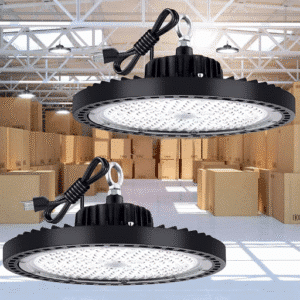
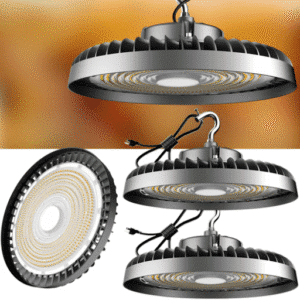
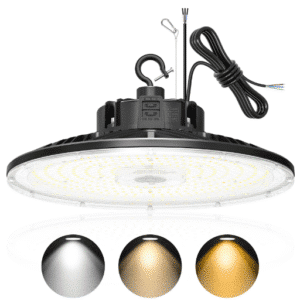
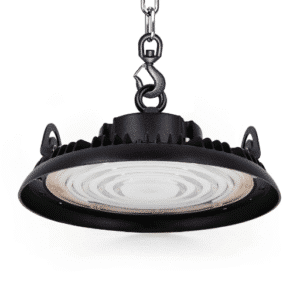
The high bay fixture is the easy part of this equation. Most industrial-grade LED high bays already carry IP65 or higher. In a solar system, the fixture faces the same threats as in a grid-powered installation: dust, humidity, and occasional washdowns.
Specify IP65 minimum for indoor industrial use. If the fixture is mounted in a partially exposed location, such as a loading dock or open-air warehouse, move up to IP66. That upgrade handles powerful water jets, which matters during pressure washing or heavy storm conditions.
Many modern fixtures also integrate with solar high bay motion sensors to cut unnecessary runtime and extend battery life.
Battery Enclosures: The Ventilation Challenge
This is where solar IP strategy gets complicated. Batteries produce heat during charging and discharging. Trapping that heat inside a fully sealed IP67 box can trigger the battery management system (BMS) to shut down the battery for thermal protection.
Rachel hit this exact problem at her Arizona distribution yard. Her battery enclosure was IP65 but lacked ventilation. On a July afternoon, the internal temperature hit 65C. The BMS shut down the entire bank at 6 p.m., right when the lights were supposed to turn on for the night shift.
She solved it with a ventilated IP65 enclosure that uses a baffle design. Air can flow through, but water and dust can’t follow the tortuous path inside. The upgrade cost $400. Her system hasn’t had a thermal shutdown in two years.
For outdoor solar battery enclosures, IP65 is the minimum acceptable rating. IP55 might allow harmful dust ingress over time, especially in agricultural or desert environments. But sealing alone isn’t enough. You’ll need either active ventilation with filtered intakes or a passive baffle system that maintains IP integrity while allowing heat escape.
For more on battery selection and thermal management, see our guide to (LiFePO4 battery selection for solar).
Charge Controllers and Load Centers

Charge controllers are often the most overlooked component in a solar IP audit. Many installers mount the controller inside the battery enclosure for convenience. That works if the enclosure is properly sized and ventilated.
But if the controller is mounted externally, it needs its own IP-rated housing. Specify IP65 minimum for any charge controller mounted outdoors. The housing must protect against dust and water jets.
Better yet, mount the controller inside a properly ventilated battery enclosure or an IP-rated electrical cabinet. Avoid mounting controllers directly on walls where roof runoff or splashback can hit the housing seals.
Pay attention to the cable entry points. Even an IP66 controller housing is compromised if the knockouts get punched out and left unsealed. Always use IP-rated cable glands at every entry point.
Cable Glands and DC Conduit
Tom learned about cable glands the expensive way. He managed a manufacturing facility in Michigan and installed solar high bays with standard plastic conduit fittings. No IP rating. Just threaded nylon connectors.
Over two winters, freeze-thaw cycles loosened the glands. Condensation formed inside the DC conduit and ran down into the charge controller. One morning in February, the controller shorted and the lights went dark.
Tom replaced the controller for $280, then switched every gland to IP68-rated units with locking nuts. He hasn’t had a moisture issue since.
Cable gland failures cause about 15% of all solar system moisture ingress issues. The problem is easy to prevent but expensive to fix.
For every DC cable entering an enclosure, use an IP68 cable gland with a locking nut. IP68 ensures the gland can withstand temporary immersion, which matters more than you’d expect during heavy rain or snowmelt pooling on rooftops. Match the gland material to the environment: nickel-plated brass for corrosion resistance in coastal areas, nylon for dry inland installations.
System Comparison Table
| Component | Typical Rating | Recommended Minimum | Critical Vulnerability |
|---|---|---|---|
| Solar panel front glass | IP67-IP68 | IP67 | N/A (usually robust) |
| Solar panel junction box | IP54-IP65 | IP65 (IP66 coastal) | Seal degradation, vent ingress |
| LED high bay fixture | IP65-IP66 | IP65 (IP66 if exposed) | Gasket aging, lens seal |
| Battery enclosure | IP55-IP67 | IP65 with ventilation | Heat buildup, seal failure |
| Charge controller housing | IP54-IP65 | IP65 | Knockout seals, cable entry |
| Cable glands | Unrated-IP68 | IP68 | Freeze-thaw loosening, corrosion |
Use this table as a checklist during system specification. If any component falls below the recommended minimum, you’ve found a weak link.
IP65 vs IP66 vs IP67 for Solar Components
When to Upgrade Each Component
Not every component needs the highest IP rating. Upgrades cost money. The goal is to match the rating to the threat.
Upgrade from IP65 to IP66 when the component faces direct water jets. That includes fixtures near washdown areas, panels under roof valleys with heavy runoff, and battery enclosures in flood-prone yards. IP66 adds protection against powerful water jets, which IP65 does not cover.
Upgrade from IP66 to IP67 when temporary immersion is possible. Junction boxes in low-lying roof areas, cable glands in conduit that might fill with water, and battery enclosures in regions with standing snow or puddling should all use IP67.
IP68 is typically reserved for submersible applications. In solar lighting, use IP68 for cable glands and underwater-rated junction boxes only. Most fixtures and enclosures don’t need IP68.
Cost Difference by Component
| Upgrade Path | Typical Cost Increase | When It Pays Off |
|---|---|---|
| Panel junction box: IP54 to IP65 | $2-4 per panel | Always. Prevents string failures. |
| Fixture: IP65 to IP66 | $10-25 per unit | Exposed or washdown environments |
| Battery enclosure: IP55 to IP65 | $50-150 per enclosure | Any outdoor installation |
| Cable glands: unrated to IP68 | $3-8 per gland | Any outdoor DC run |
| Controller housing: IP54 to IP65 | $20-60 per unit | External mounting locations |
These upgrades are cheap insurance. A single service call to replace a corroded junction box or failed controller costs more than upgrading every component at installation. That’s why we recommend front-loading IP protection during the specification phase.
Solar-Specific Environmental Threats

Standard IP testing happens in a lab under controlled conditions. Real solar installations face threats that accelerate seal degradation far beyond what IEC 60529 testing simulates. NREL’s outdoor solar system design research confirms that field conditions routinely exceed laboratory assumptions for temperature, humidity, and UV exposure.
UV Degradation of Gaskets and Housings
IP testing does not include UV exposure. But solar panels, fixtures, and enclosures sit in direct sunlight for thousands of hours per year. UV radiation breaks down rubber gaskets and polymer housings 2-3x faster outdoors than in protected indoor environments.
Specify UV-resistant gasket materials like silicone or EPDM with UV stabilizers. Avoid standard neoprene gaskets on outdoor solar components. Inspect gasket condition annually and replace every 3-5 years in high-UV climates.
Salt Spray and Coastal Corrosion
Salt spray isn’t part of standard IP testing. A component might pass IP66 in fresh water and still fail within months in a coastal environment. Salt accelerates galvanic corrosion at metal-to-metal junctions, attacks PCB traces inside enclosures, and degrades cable insulation.
For installations within 5 miles of salt water, specify components with salt spray certification per ASTM B117. Use nickel-plated brass or 316 stainless steel for metal hardware. Avoid bare aluminum junction boxes and untreated steel enclosures.
Diego assumed IP67 panel glass meant the entire panel was coastal-ready. It wasn’t. The junction box terminals were standard tin-plated copper. Salt air found its way in and destroyed them.
Thermal Cycling (Day/Night Temperature Swings)
Outdoor solar components experience extreme thermal cycling. In desert climates, temperatures can swing from -20C at night to +70C on the panel surface during the day. Every thermal cycle flexes gasket seals, loosens threaded fittings, and creates micro-gaps in housings.
Standard IP testing runs at a single stable temperature. It doesn’t account for thousands of expansion and contraction cycles per year. That is why cable glands loosen over time, junction box lids warp slightly, and battery enclosure seals compress permanently.
Use thread-locking compound on cable gland nuts. Specify gaskets with high compression set resistance. Re-torque all gland nuts annually. In high-cycling environments, inspect seals twice per year.
Rodent and Pest Intrusion in Battery Enclosures
This is the threat no IP rating covers. IP6x ratings protect against dust and solid objects down to 1mm. They don’t stop mice, rats, or insects determined to enter a warm battery enclosure.
Install mesh screens over ventilation openings with 3mm or smaller gaps. Use metal conduit instead of flexible plastic where rodents are active. Inspect enclosures quarterly for droppings, nesting material, or chewed cables.
Verifying IP Claims on Solar Components
Red Flags in Low-Cost Solar Imports
Not every IP rating claim on an import datasheet is trustworthy. Watch out for these warning signs:
- Vague wording such as “IP65 equivalent” or “meets IP65 standards” without actual testing
- No test lab name or certificate number provided
- Ratings that don’t match the product price (a $12 cable gland claiming IP68 is suspicious)
- Junction boxes with visible vent holes or unsealed seams that still claim IP65
Ask suppliers for the actual IEC 60529 test report. A legitimate manufacturer has a report from a certified lab such as TUV, SGS, Intertek, or UL.
Certificates to Request
Before accepting solar components for an industrial project, request:
- IEC 60529 IP test report with lab accreditation
- Salt spray test report (ASTM B117 or IEC 60068-2-11) for coastal projects
- UV resistance certification for outdoor gasket materials
- UL 1598 or equivalent luminaire safety certification for fixtures
These documents protect you from claims disputes if a component fails early. They also prove to facility insurers and inspectors that the system meets recognized safety standards.
Maintaining IP Integrity in Solar Systems

Annual Inspection Checklist
IP ratings aren’t permanent. Seals degrade, glands loosen, and housings crack. Schedule an annual inspection that includes:
- Visually inspect all junction box seals for cracking or compression
- Check cable glands for loosening and re-torque to manufacturer spec
- Examine battery enclosure gaskets for UV damage or hardening
- Verify charge controller housing is intact with no missing knockouts
- Look for corrosion on any metal hardware or terminals
- Confirm ventilation screens are intact and unclogged
Gasket Replacement Schedule
Replace gaskets before they fail, not after. In moderate climates, replace battery enclosure and junction box gaskets every 5 years. In high-UV, high-salt, or high-thermal-cycling environments, replace every 3 years. Mark replacement dates on the enclosure with a permanent marker or label.
Cable Gland Re-torquing
Cable glands are the most maintenance-sensitive component in the system. Thermal cycling loosens them faster than anything else. Re-torque all gland nuts annually using a torque wrench set to the manufacturer’s specification.
Over-tightening can crack the gland body. Under-tightening lets moisture in. Apply a thin layer of silicone grease to gland threads during installation. This reduces galling and makes future re-torquing easier without compromising the seal.
Planning a new solar high bay installation? Follow our (solar high bay installation practices) to avoid common mistakes before they happen.
Frequently Asked Questions
What does IP65 mean on a solar light?
IP65 means the enclosure is dust-tight and protected against low-pressure water jets from any direction. For a solar light, this rating typically applies to the LED fixture or battery enclosure. It doesn’t guarantee protection for other system components such as the panel junction box or cable glands.
Is IP65 enough for outdoor solar panels?
IP65 is enough for the junction box on a solar panel in most inland environments. However, the panel front glass should be IP67 or IP68. In coastal or high-humidity regions, upgrade the junction box to IP66 or IP67 for better long-term protection.
What is the difference between IP65 and IP66 for solar lighting?
IP65 protects against low-pressure water jets. IP66 protects against powerful water jets. For solar lighting, choose IP66 for fixtures and enclosures that may face direct pressure washing, heavy storm runoff, or splashing from equipment.
Do solar battery boxes need to be waterproof?
Yes. Outdoor solar battery enclosures need at least IP65 to keep dust and water out. But sealing must be balanced with ventilation. A fully sealed box without airflow can overheat the battery and trigger BMS shutdowns.
Can a solar charge controller get wet?
Standard charge controllers aren’t waterproof. If mounted outdoors, the controller must be housed in an IP65-rated enclosure or cabinet. Never mount an unprotected controller where rain, snow, or irrigation might hit it.
How often should solar system seals be inspected?
Inspect all seals, gaskets, and cable glands annually. In harsh environments like coastal, desert, or industrial areas with chemical exposure, inspect twice per year. Replace gaskets every 3-5 years depending on UV and thermal exposure.
What causes solar panel junction boxes to fail?
Junction boxes fail when moisture or dust enters through degraded seals, unsealed cable entries, or low IP-rated vents. Corrosion on terminals and bypass diodes follows. One failed junction box can knock out an entire panel string.
Are IP ratings tested for salt spray?
No. Standard IP testing under IEC 60529 uses fresh water only. Salt spray resistance is tested separately under ASTM B117 or IEC 60068-2-11. Coastal solar installations need both IP65+ ratings and salt spray certification on metal components.
Why do cable glands fail in solar installations?
Cable glands fail due to thermal cycling loosening the nut, UV degradation of nylon bodies, corrosion of metal fittings in salt air, or improper installation torque. IP68-rated glands with locking nuts and annual re-torquing prevent most failures.
What IP rating do I need for a solar warehouse lighting system?
Specify IP65 minimum for the LED fixtures and battery enclosures. Use IP67 for solar panel junction boxes. Use IP68 for all cable glands. If the warehouse has washdown procedures or coastal exposure, upgrade fixtures and enclosures to IP66.
For layout help, check our guide to (solar warehouse lighting layout).
Conclusion
IP protection in a solar high bay system is only as strong as the weakest seal in the chain. A 400fixturewithIP65ratingmeansnothingifa400fixturewithIP65ratingmeansnothingifa2 cable gland lets water into the charge controller. A $300 battery with a built-in BMS means nothing if the enclosure overheats because ventilation gets ignored.
Treat ingress protection as a system property. Audit every component: panel junction box, fixture housing, battery enclosure, charge controller, and every cable gland in between. Match the IP rating to the real environmental threat, not just what’s printed on the datasheet. Keep the system running with annual inspections, proactive gasket replacement, and re-torqued cable glands.
The solar systems that last 10+ years aren’t the ones with the most expensive panels. They’re the ones where the installer thought about the 3 gasket before the 15,000 array went dark.
Ready to specify a solar high bay system that holds up in real conditions? Use our solar high bay sizing methodology to build a system that is protected, properly sized, and ready for your environment.