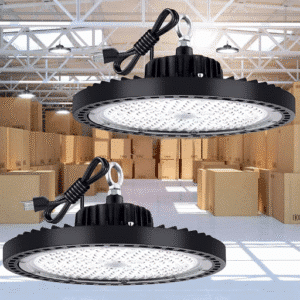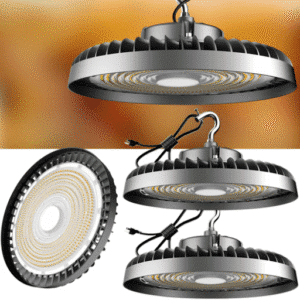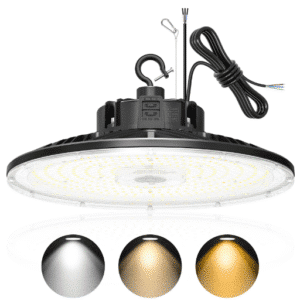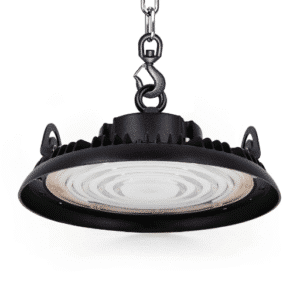

A simple XD5 high bay light maintenance plan will keep your fixtures bright for years. Clean the lens and heat sinks on a schedule matched to your environment, inspect mounts and electrical connections quarterly, and test controls and emergency backups annually. LEDs are low-maintenance, but dust and heat are what actually shorten lifespan. Industrial LED maintenance is simpler than HID upkeep, but it still requires a documented plan.
Mike, a facility manager in Dallas, learned that the hard way. His warehouse ran 24/7, and after 18 months he noticed the floor looked dimmer even though no fixtures had failed. A light meter showed output had dropped 20% across the space. The culprit was a thick layer of dust on every lens and heat sink. One scheduled cleaning restored most of the lost light and kept his drivers from running hotter than necessary.
This guide gives you a practical XD5 high bay light maintenance plan. You’ll learn how often to clean, what to inspect, how to fix common problems, and how to keep your warranty intact.
Key Takeaways
- The XD5 high bay light is low-maintenance, not no-maintenance. Dust and heat are the two biggest threats to output and lifespan.
- Clean XD5 fixtures quarterly in dusty warehouses and annually in clean environments. Dust can cut light output by 5–15%, and up to 30% in severe cases.
- Inspect mounts, safety cables, electrical connections, seals, and drivers at least every six months.
- The XD5 is rated for 50,000 hours L70 and carries a 5-year warranty. At 12 hours/day, it reaches L70 in roughly 11.4 years.
- Annual XD5 maintenance costs are typically 5–5–15 per fixture, versus 50–50–100+ for metal halide.
Need the full XD5 specs first? Read our complete XD5 UFO high bay light guide to compare wattage, voltage, and beam angles before you build your maintenance plan.
XD5 High Bay Light Maintenance: Why It Matters

The XD5 is built to run for years. But warehouse conditions work against any fixture. Dust settles on lenses and cuts the light that reaches the floor. It also fills heat-sink fins, trapping heat and accelerating lumen depreciation. Loose connections, vibration, and moisture can turn a small issue into a safety hazard at 30 ft.
Jennifer manages a distribution center in San Diego with 24 ft ceilings and tall racks near the coast. Her team ignored quarterly inspections because “LEDs don’t need maintenance.” After two years, she found corroded cable glands on three fixtures and one cracked safety cable. A quick inspection schedule would have caught both problems before they became a lift-rental emergency.
Regular XD5 high bay light maintenance does three things:
- Protects light levels. Clean lenses and heat sinks keep output where it was on day one.
- Prevents premature failure. Heat is the enemy of LED drivers. Keeping fins clear extends driver life.
- Keeps warranty claims valid. Most manufacturers require documented care; neglect can void coverage.
A solid LED high bay maintenance program treats cleaning, inspection, and documentation as one system.
XD5 High Bay Light Maintenance Schedule and Frequency
The right schedule depends on your environment. A food-processing plant needs more frequent cleaning than a clean assembly area. The same principle applies to any warehouse lighting maintenance program: match the frequency to the dust, moisture, and operating hours in the space.
| Environment | Cleaning | Full Inspection |
|---|---|---|
| Clean offices / retail backrooms | Annually | Every 12–18 months |
| Standard warehouse | Every 6 months | Annually |
| Dusty / high-traffic warehouse | Quarterly | Every 6 months |
| Wet / cold storage / food processing | Quarterly | Every 6 months |
Dusty warehouses are the most common mismatch. Facilities run XD5 fixtures for years without cleaning, then blame the product when output drops. For warehouse-specific application guidance, see our XD5 high bay light for warehouse guide. Prolux International’s LED high bay maintenance tips note that regular cleaning prevents the gradual lumen loss most operators never measure.
Building a UFO High Bay Maintenance Schedule
A UFO high bay maintenance schedule should account for ceiling height, dust levels, and operating hours. High ceilings mean harder access, so it pays to group cleaning and inspections into a single lift rental. Dusty operations should move from semi-annual to quarterly cleaning. Facilities with motion sensors and daylight controls should also test those controls every six months, since reduced runtime is part of the maintenance savings story.
XD5 High Bay Light Maintenance: Cleaning Procedure

Cleaning an XD5 correctly takes about five minutes per fixture once you have access. Doing it wrong can scratch the polycarbonate lens or leave moisture inside the housing.
Before You Start
- Turn off power at the breaker and use lockout/tagout.
- Let the fixture cool. LEDs run hot, and the housing holds heat.
- Wear gloves, safety glasses, and a hard hat. Use a lift or ladder rated for the ceiling height. If you’re unsure how the fixture was mounted, review our XD5 UFO high bay installation guide before climbing.
Cleaning Steps
- Remove loose dust. Use a soft brush, microfiber duster, or low-pressure compressed air on the lens and housing.
- Wipe the lens. Use a soft, damp cloth with mild detergent if needed. Avoid abrasive pads or ammonia-based cleaners.
- Clean the heat sinks. Blow dust out of the fins with compressed air or brush gently. Heat sinks are where thermal management lives.
- Inspect seals and gaskets. Look for cracks, hardening, or moisture inside the lens. Replace compromised seals to protect the IP65 rating.
- Clean the sensor lens. If your XD5 has a microwave motion sensor, wipe the small sensor window carefully. Dust here can reduce detection range.
- Dry everything. Make sure the fixture is dry before restoring power.
- Restore power and verify. Check that the fixture lights evenly and that controls respond.
A standard warehouse should budget roughly 5–5–15 per fixture per cleaning when done in-house. That’s a fraction of the cost of replacing a driver or losing energy savings.
LED High Bay Maintenance Checklist: Monthly, Quarterly, and Annual XD5 Inspections
A written checklist keeps maintenance consistent and supports warranty claims. The frequency below is a baseline; adjust for your environment.
Monthly
- Walk the floor and look for dark fixtures, flickering, or physical damage.
- Check that emergency exits and egress paths stay well lit.
- Listen for any buzzing from drivers.
Quarterly
- Clean lenses and heat sinks in dusty or wet areas.
- Inspect mounting hooks, brackets, and safety cables for corrosion or looseness.
- Wipe motion sensor lenses and test occupancy response.
- Look for moisture inside lenses, especially near loading docks or coolers.
Every 6 Months
- Inspect electrical connections for corrosion, burn marks, or looseness.
- Check driver housings for discoloration or warping from heat.
- Verify cable glands and seals are intact.
- Measure light output with a lux or foot-candle meter in key areas.
Annually
- Perform a full system audit, including controls and daylight sensors.
- Test emergency battery backup runtime if equipped.
- Update firmware for networked controls or DALI 2.0 systems.
- Review maintenance logs and plan any group replacements.
Common XD5 High Bay Light Maintenance Issues and Fixes

Even a well-built fixture can show symptoms. Here is how to read them.
| Symptom | Likely Cause | Action |
|---|---|---|
| Flickering or dimming | Loose connection or failing driver | Check connections; replace driver if discoloration or buzzing is present |
| Reduced light output | Dust on lens or heat sink | Clean both; recheck output with a light meter |
| Uneven coverage | Wrong beam angle or shifted fixture | Re-aim or verify the optic matches the ceiling height |
| Sensor not triggering | Dust on sensor lens or setting drift | Clean sensor; recalibrate time and sensitivity |
| Moisture inside lens | Compromised seal or gland | Replace seal; verify IP65 integrity before restoring power |
Tom, a maintenance supervisor in Ohio, noticed two XD5 fixtures flickering in a storage aisle. Instead of replacing the whole unit, he checked the driver housing. Both drivers showed heat discoloration. He swapped them in 20 minutes, kept the LEDs and housings, and avoided a full fixture replacement. Driver failure is the most common issue in LED high bay systems, and it is usually cheaper to fix than replace.
Extending XD5 Lifespan Through Industrial LED Maintenance
It’s rated for 50,000 hours L70. At typical warehouse runtimes, that translates to:
| Hours per Day | Years to L70 |
|---|---|
| 12 hrs/day | ~11.4 years |
| 16 hrs/day | ~8.6 years |
| 24 hrs/day | ~5.7 years |
You can push those numbers higher with three habits:
- Keep heat sinks clean. Dust acts like insulation. Even a thin layer raises operating temperature and accelerates lumen depreciation.
- Use controls. Motion sensors and daylight dimming reduce runtime and thermal stress. Less runtime means slower aging.
- Protect against voltage spikes. Install surge protection at the panel or circuit level. Driver damage from electrical surges is not covered by most warranties.
XD5 High Bay Light Maintenance Costs vs. Metal Halide
Maintenance savings are a big part of the LED business case. The table below compares a single XD5 fixture to a 400W metal halide over a typical year.
| Cost Factor | 400W Metal Halide | XD5 LED |
|---|---|---|
| Lamp replacement cycle | Every 1.5–2.5 years | None during warranty |
| Lift rental / labor per visit | 50–50–100 per fixture | Minimal for 5–10 years |
| Annual maintenance cost | 50–50–100+ per fixture | 5–5–15 per fixture |
| Disposal costs | Yes (HID lamps) | Minimal |
Across a 100-fixture warehouse, that difference is 3,500–3,500–8,500 per year in warehouse lighting maintenance alone. To see how the XD5 stacks up against legacy technology, read our LED vs metal halide high bay comparison. For current hardware pricing, see our XD5 UFO high bay light price guide. To compare the XD5 against competing UFO fixtures, check our XD5 vs other UFO high bay lights breakdown.
XD5 High Bay Light Maintenance, Warranty, and Support

The XD5 carries a 5-year warranty that typically covers LED module failure, driver failure, and housing seal failure. It doesn’t cover physical impact, water ingress from improper installation, voltage outside the rated range, or unauthorized modifications.
To keep warranty claims smooth:
- Keep a maintenance log with dates, tasks, and photos.
- Document original installation details, including voltage and mounting method.
- Report failures promptly. Most warranties require notification within a set window.
- Don’t attempt to open sealed driver compartments unless qualified.
If a fixture fails during the warranty period, contact Probapro support with the model number, purchase date, and a description of the symptom. A qualified technician can usually determine whether the issue is a warranty driver replacement or an installation-related problem.
UFO High Bay Maintenance Schedule: Frequently Asked Questions
What is the best XD5 high bay light maintenance schedule for a dusty warehouse?
For a dusty warehouse, clean XD5 lenses and heat sinks every three months. Inspect mounts, seals, and electrical connections every six months. Track light output with a foot-candle meter so you can spot lumen depreciation before it affects operations.
How often should I clean XD5 high bay lights?
Clean standard warehouses every 6 months, dusty warehouses quarterly, and clean environments annually. Food processing and cold storage usually need quarterly cleaning due to moisture and particulates.
Can I clean XD5 fixtures while they are on?
No. Always turn off power, lock out the circuit, and let the fixture cool before cleaning. Moisture and live voltage don’t mix at height.
What should I do if an XD5 starts flickering?
Check for a loose connection first. If connections are tight and the driver shows heat discoloration or buzzing, replace the driver. Drivers are the most common failure point in LED high bays.
Does dust really reduce LED output?
Yes. Dust on lenses can reduce delivered light by 5–15%, and up to 30% in severe cases. Dust on heat sinks also raises temperature, which accelerates lumen depreciation over time.
How long should an XD5 high bay last?
The XD5 is rated for 50,000 hours L70. At 12 hours per day, that is roughly 11.4 years. Controls that reduce runtime can extend effective lifespan further.
What voids the XD5 warranty?
Physical damage, water ingress from improper installation, voltage outside the rated range, and unauthorized modifications typically void coverage. Regular cleaning and documented inspections support warranty claims.
Conclusion
XD5 high bay light maintenance is not complicated, but it is not optional either. The fixtures are built to last, yet dust, heat, and loose connections will shorten their life if ignored. Match your cleaning schedule to the environment, inspect mounts and drivers every six months, and keep records that protect your warranty.
The payoff is lower total cost of ownership, steadier light levels, and fewer emergency lift rentals. A few hours of scheduled maintenance each year is far cheaper than replacing fixtures early.
Ready to put a plan in place? Read our XD5 UFO high bay light guide for application advice, our XD5 UFO high bay installation guide for mounting basics.