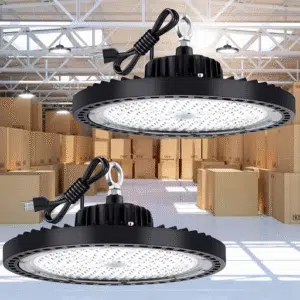
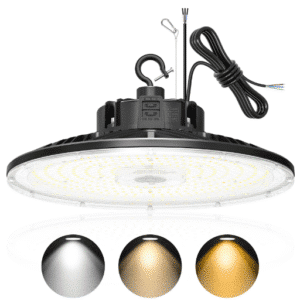
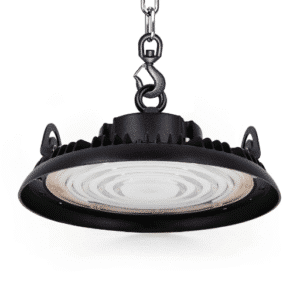
Proper care for LED high bay lights is very important for their performance, energy saving, and long service life in big areas like warehouses, factories, and gyms. These fixtures with their high lumen output are aimed at very large areas, but still the most sophisticated lighting systems will need appropriate care and maintenance. Regardless of whether you want to prolong the life of your lights, lower the number of outages, or increase the amount of light, knowing how to look after your LED high bay lights is the main issue.
This manual is going to reveal to you the most effective maintenance tips and practices that besides helping you get your high bay lighting system running without interruption will also save you time and money. We shall cover all the aspects you need to know, so be prepared to see the light!
Understanding High Bay Lights
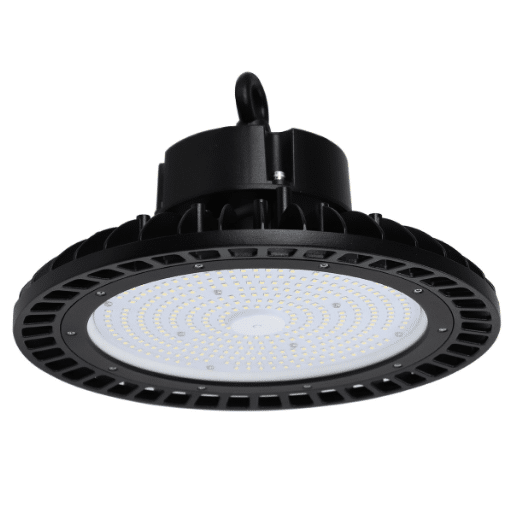
What are LED High Bay Lights?
LED high-bay lights are the lights that are especially made for the overhead spaces with heights of 15 to 50 ft. They are very common in big industrial, commercial, or warehouse areas for their ability to uniformly brighten a vast area. The lights use the modern LED technology that is very efficient in energy use, and thus, not only cuts down the energy cost but also lasts way longer than any other lighting option. These lights are features with high durability, and the maintenance requirement is low, and the output of light is very high, which all make them the perfect lighting fixture for very large spaces where illumination is done effectively.
Benefits of Using High Bay LED Lighting
Key Advantages:
- Energy Efficiency: Significant reduction in electricity bills compared to traditional lighting
- Extended Lifespan: LEDs last much longer, reducing maintenance frequency
- Consistent Brightness: Steady light output ensures improved visibility and safety
- Environmental Impact: More eco-friendly lighting solution
- Cost-Effective: Long-term savings through durability and reliability
Applications of Industrial High Bay Lights
The industrial high bay lights are found inside the warehouses, manufacturing plants, gymnasiums, and large shopping outlets where the ceiling heights are high. The very efficient power-saving illumination ensures that the visibility in these large areas is great, and therefore productivity and safety are improved. Additionally, they are often found in that aircraft hangar, warehouse, and trade fair arenas, where uniform in light intensity would be a basic requirement of daily activities. The design of the high bay light is such that the light is cast evenly all over a big area, and thus they become a versatile option for both industrial and commercial-wide area lighting.
Maintenance Tips for LED High Bay Lights

Routine Maintenance Procedures
Undoubtedly, regular maintenance of LED high bay lights is necessary to get the most out of them and their longevity. Start with a visual check of the fixtures for any cracks or loose parts that may lead to damage. Periodically clean the lights to keep them free of dust and dirt, which may accumulate and result in reduced brightness.
✓ Essential Maintenance Checklist
- Visual Inspection: Check for cracks, loose parts, or visible damage
- Cleaning: Remove dust and dirt buildup regularly
- Connection Check: Ensure all connections are tight and secure
- Performance Monitoring: Watch for flickering or dimming signs
- Component Replacement: Replace damaged parts promptly
- Environmental Control: Maintain proper temperature and moisture levels
Cleaning Guidelines for Optimal Performance
The high bay lights need to be cleaned consistently to maintain their excellent performance and avoid the buildup of dirt and dust, which would cut down on light output and be a waste of energy.
Step-by-Step Cleaning Process:
- Switch off the power and wait for fixtures to cool completely
- Use a soft, dry cloth or non-abrasive cleaning tool
- Carefully dust off the surface
- For stubborn spots, use a damp cloth or gentle cleaning solution
- Ensure no liquid enters electrical components
- Avoid strong chemicals or rough materials
Important: Timely cleaning not only improves the quality of the light but also helps to save energy and extends the lifespan of the high bay lights.
Identifying Common Issues in High Bay Lighting
| Issue | Common Causes | Solution |
|---|---|---|
| Flickering | Faulty ballasts, old bulbs, erratic power supply | Check and replace ballasts, ensure stable power |
| Uneven Illumination | Incorrect positioning, insufficient spacing | Adjust fixture placement and spacing |
| Decreased Brightness | Dust buildup, aging LED components | Clean fixtures regularly, replace worn parts |
Enhancing the Longevity of High Bay LED Lights

Factors Affecting the Lifespan of LED High Bay Lights
Several essential factors account for LED high bay lights‘ lifespan, and to some extent, all of them affect performance and durability directly:
Quality of Components
The longevity of LED lighting is determined mostly by the quality of the materials used in their production. The best quality LEDs, tough circuit designs, and solid heatsinks will ensure a longer operational life.
Thermal Management
Heat is one of the main reasons for reduced lifespan of LEDs. With the help of advanced heat sinks and good ventilation, heat can be dissipated and thus good functioning can be maintained.
Operating Environment
Conditions like high humidity, very hot or very cold weather, or being in dusty or chemical environments can have negative impacts on LED high bay lights. Choose lights with adequate IP ratings for tough conditions.
Power Supply Stability
Power supply fluctuations like voltage spikes or drops can easily stress the LED circuitry causing early failure. Stable power sources along with surge protectors can help reduce such risks.
Maintenance Practices
Cleaning lighting fixtures regularly to get rid of dust and debris is very important for light output and performance to be sustained through time. Maintenance that is not reactive helps find possible problems before they become bigger.
Usage Patterns
Always running at peak power without taking breaks may lead to faster component wear and tear. The use of dimming features or smart controls to regulate usage can prolong the life of the lighting system.
💡 Pro Tip: By taking care of these aspects and choosing high-quality, properly designed products for one’s specific applications, companies will be able to enjoy longer life and higher efficiency of their LED high bay lights.
Energy Savings and Efficiency Considerations
The advantages of LED high bay lights in terms of energy savings and efficiency are the main factors and thus performance depends on many factors. The energy consumption of LEDs is much less than that of conventional lighting solutions, which are HID or fluorescent systems, while giving similar or even brighter light.
Energy Efficiency Benefits:
- Significant reduction in electricity costs over time
- Lower heat output reduces cooling costs in temperature-controlled areas
- Motion sensors and dimmers optimize energy usage
- Smart controls ensure lights operate only when needed
- Non-polluting and economically viable for contemporary businesses
When is it Time to Replace Your High Bay Lights?
Warning Signs for Replacement:
- Noticeable decrease in lumens
- Frequent flickering or performance inconsistency
- Higher energy consumption than modern LED alternatives
- Frequent maintenance issues
- Mounting repair costs
Remember: Choosing to go for newer, energy-efficient high bay lights guarantees not only maximum performance and better light quality but savings in the long run for your facility as well.
Maximizing Light Levels and Performance

Adjusting Lighting for Optimal Illumination
The human factor is very vital when one wants to light up a factory. It must be considered the lighting’s position, its kind, and how intense it is. Start with analyzing the height and distance of the fixtures since they can affect how light is split and where shadows are created if not placed properly.
The freshest research indicates that the use of dimmable LEDs can lead to light shifting, thus giving you the option of making it more during fewer hours and vice versa during peak hours. Furthermore, the combination of smart lighting systems with sensors will improve effectiveness by not only making the lights that are occupied real but also making them as bright as the natural light that is present. This will not only increase safety but also, at the same time, be environmentally friendly and economically wise because of the less energy used.
Tips and Tricks for High Bay Lighting Setup
By applying these tactics, it is possible to have a high bay lighting system that will be not only efficient and effective but also functional, energy-saving, and sustainable in the long run.
Monitoring Light Levels and Maintenance Needs
Regular monitoring of light levels is crucial to maintaining an effective high bay lighting system. By using light meters, you can accurately measure the illumination in specific areas and ensure it meets the required standards. This process also helps identify any drop in performance that may indicate the need for maintenance or replacement.
Monitoring Best Practices:
- Use light meters to measure illumination accurately
- Establish a maintenance schedule for cleaning and inspections
- Inspect wiring and replace worn components regularly
- Implement automated monitoring systems for real-time data
- Set up alerts for performance anomalies
References
-
-
Senior Thesis Final Report
Source: Pennsylvania State University
Link to document
This report references the IESNA Lighting Handbook and discusses high bay fluorescents and maintenance considerations. -
High-Intensity Discharge Industrial Lighting Design Strategies
Source: Virginia Tech
Link to document
This document provides insights into lighting design strategies, including maintenance and life-cycle cost considerations. -
Implementing Temporary LED Construction Lighting
Source: University of Washington
Link to document
-
Frequently Asked Questions (FAQ)
-
What is the mechanism behind high bay lights that they are able to light up big areas?
High bay lights are capable of high-capacity lighting in the areas of their application. Proper installation and maintenance help ensure their durability and efficiency, and opting for LED lights can get rid of the use of high wattage and save energy compared to traditional light sources. Regular cleaning is necessary for industrial and mining areas, where debris can block the lighting and dust can significantly decrease the light output. It is important to regularly check for signs of damage or wear, as these could lead to safety hazards or poor lighting performance. Unused H2 terms suggested: energy efficiency, safety hazards, maintenance costs.
What is included in the maintenance of LED high bay fixtures?
The maintenance of LED high bay fixtures generally consists of regular cleaning to prevent dust and dirt from blocking the light output, checking electrical connections, and examining for damage or wear that might result in flickering or failure. Always turn off the power and make sure the lights are cool before doing any cleaning; use a gentle cloth and cleaners that are compatible with the lenses or coatings to prevent scratching. An electrician should be the one to do any repair or replace actions for faulty wiring or defective drivers, as connections can lead to flickering or pose safety risks if not dealt with. Regular maintenance and inspections will not only prolong the life of the lighting but will also enhance performance and safety in industrial settings. Unused H2 terms suggested: regular cleaning, electrician, connections can lead to flickering.
When should I think about the maintenance of LED versus the time to upgrade to new LED fixtures?
Think of the pros and cons of keeping the high bay LED lights and their maintenance versus replacing them by evaluating the costs of maintenance, how often repairs are needed, and the long lifespan many LED fixtures have compared to traditional lighting. If the lights are often in need of repair or if they are not as bright as they used to be even with proper maintenance, then maybe it is time to invest in new LED fixtures that will save energy and cut down on operating costs. Some signs that it might be better to buy new lights instead of repairing the old ones include continuous flickering, drastic reduction in lumen output, or multiple driver failures. In commercial and industrial environments, a cost-benefit analysis including maintaining labor, possible downtime, and energy savings will help identify any problems and guide the decision. Unused H2 terms suggested: maintenance costs, energy efficiency, long lifespan.
How to maintain the lighting’s performance and its optimal use?
For maintaining the lighting’s performance and its optimal use, you need to have a routine for preventive maintenance that includes regular cleaning, visual inspection for signs of damage, and electrical checks by a qualified electrician. Before servicing, always turn off the power and use proper tools; start by turning off the power and then follow safety guidelines to avoid accidents. Using a soft cloth to do regular cleaning will remove dust and dirt that can reduce the light output, and checking the mounting and thermal management on a regular basis will prolong the lifespan of the LED fixtures. Keep logs of maintenance activities and any repair or replace procedures to discern recurring patterns and detect potential issues beforehand. Unused H2 terms suggested: soft cloth, turn off the power, proactive maintenance.
What are the maintenance practices that are typically performed in order to avoid performance and safety issues?
The usual maintenance practices are checking for the fixtures’ physical condition, repairing, and maintaining the lenses to make sure they are not getting dusty, and handling the wiring and connections with care either by replacing or tightening them because loose connections can lead to flickering, and testing emergency and backup lighting systems. In industrial environments, downtown areas usually have more debris and dust than other areas, thus, regularly scheduled cleaning as well as filter or lens replacement are very much needed to keep the illuminance level safe and productive. If the lights are still not able to emit the required output after cleaning and inspection, then the electrician should be consulted to check if the issue is with the drivers or power supply and to consider repair or replacement options. A maintenance checklist along with documentation of performance, contributes a lot to minimizing the risk of unexpected downtimes and also ensuring that lighting and safety standards are met. Unused H2 terms suggested: maintenance tasks, lights cannot, repair or replace.