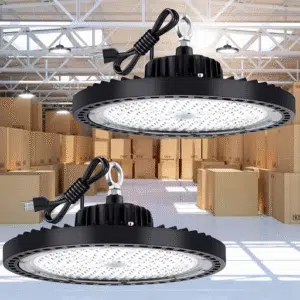
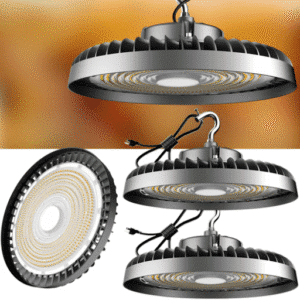
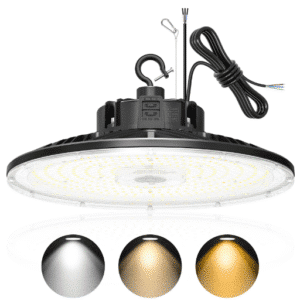
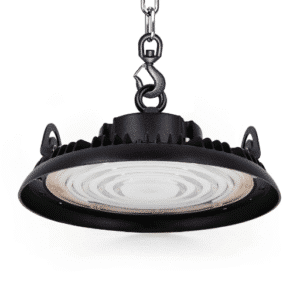
It is important to keep in mind that the right color temperature for high bay lighting can greatly influence not only the dedication but also the mood of your area. The two most commonly used—5000K and 4000K—are the ones that provide different lighting characteristics each catering to a different need. But which one is the right one when it comes to your lighting requirements? Whether you are working in a warehouse, gym, or retail space, it is very important to recognize the differences between these two color temperatures in order to establish the best environment. In this article, we will clarify the top properties of 5000K and 4000K high bay lights and thus lead you to a decision that is both well-informed and appropriate for your particular use.
Understanding Color Temperature in High Bay Lighting
What is Color Temperature?
Color temperature is a parameter to define the light output like a bulb or a fixture and is given a value in Kelvin (K) on a scale from 0 to 3000. This signifies the light source’s character of being warm or cool. The further along the scale, the closer the light gets to being white (5000K) or bluish (6500K), the values at the base (2700K) reflect incandescent or candle light with a yellow hue. This property of lighting is very important and is one of the main factors that determine the atmosphere, utility, and visual comfort of the area, hence, lighting for different places cannot be done without taking this property into account.
Choosing the Right Color Temperature and its Importance
Choosing the right color temperature literally means setting the right environment for the part you are going to work or live in, keeping both functionality and aesthetics in mind. Recent search trend search engine reveal that users have become increasingly interested in the topic of “light and its effects on productivity, relaxation and ambiance”. Warm light colors (that is the range from 2700K to 3000K) are usually preferred for the living room and bedroom which are mainly meant for relaxation. On the contrary, cool light color (that is 4000K to 5000K) would be recommended in an office, kitchen or bathroom where more attention and visibility are needed. The increasing interest in the topic emphasizes that, besides the correctness of the atmosphere, the understanding of the right color temperature as well as its application, will definitely improve the well-being and work efficiency of people in different settings.
Typical Color Temperatures for High Bay Lights
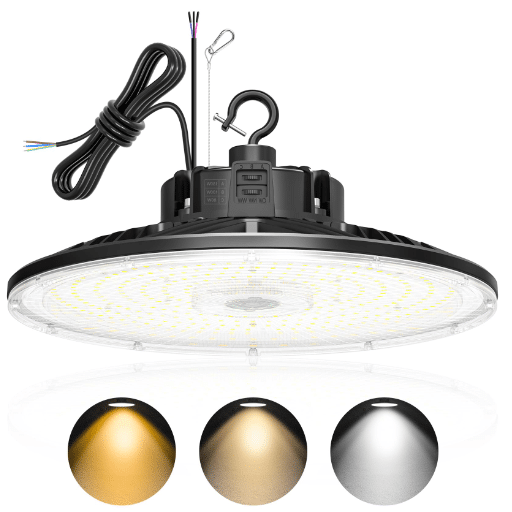
High bay lights are usually sold in three primary color temperatures that cater to different applications. The warm (3000K) is perfect for a relaxing and tranquil atmosphere; hence, it is often employed in settings where relaxation is needed. The neutral (4000K) is the middle ground between warm and cool, it is a mix that gives the clarity of the cool and the comfort of the warm; thus, it is suitable for places like retail or areas for multiple purposes. The cool (5000K) yields high and bright light, promotes visibility and concentration which is fitting for factories, warehouses and other places of intensive industrial activity. Choosing the correct color temperature is critical to ensuring that the light is good and the mood is right to meet the specific requirements of the area.
Quick Reference: Color Temperature Guide
Comparing 5000K and 4000K High Bay LED Lights

Characteristics of 5000K High Bay LED Lights
5000K high bay LED lights are famous for their dazzling, daylight-like glow, which makes seeing clearer and less straining on the eyes in work areas. This color temperature is a perfect fit for places where accurate and sharp eye focus is a must like warehouses, floors of manufacturers, and commercial.
The light output that is crisp and clear helps in keeping safety and productivity up by lighting the area evenly and cutting down on shadows. Besides that, the area of 5000K lights can bring about a dynamic and professional look making them even more so for task-oriented applications.
Characteristics of 4000K High Bay LED Lights
4000K high bay LED lights give off a mixed, neutral white light that is not very hot or very cold. This color temperature is perfect for areas where both comfort and efficiency are the main things like retail, white-collar work and education. The neutral white helps in generating a hospitable and visually friendly setting, cutting down eye fatigue while still keeping the brightness high enough for tasks. These lights are adaptable and help people concentrate without being rude, and that’s why they are the most popular choice in various applications.
5000K LED Lights
- ✓ Daylight-like glow
- ✓ Enhanced visibility
- ✓ Reduces shadows
- ✓ Professional appearance
- ✓ Task-oriented applications
4000K LED Lights
- ✓ Neutral white light
- ✓ Balanced comfort
- ✓ Reduces eye fatigue
- ✓ Hospitable atmosphere
- ✓ Versatile applications
Comparative Analysis of Lumen Output
When lumen output from different lighting solutions is being compared, it is very important to look at both the brightness level and the energy efficiency of each light source. LEDs grant the highest lumen output per watt, thus being the most energy-efficient choice to brighten up areas while keeping energy costs low. In contrast, traditional incandescent bulbs have lower lumen outputs for the same power consumed which in turn leads to higher electricity costs. Fluorescent lights fall in between the two, giving out moderate lumen output alongside providing decent efficiency. To sum it up, LED lights gain the top position owing to their excellent performance, longevity, and capability of providing different color temperatures.
Applications of 5000K vs 4000K High Bay Lighting

Best Use Cases for 5000K High Bay Lights
The 5000K high bay lights are intended for such spaces where there is a need for very bright and daylight-like illumination to improve the visibility and the focus of people. Such light is a must in plants and factories, and indeed wherever human-labeled-machine work is done, as the blue light lessens the eye strain and at the same time increases the productivity rate. In fact, they are good for retail areas and big commercial spaces as well, thanks to the light’s aura which is lively and inviting and at the same time, it perfectly displays the products. Besides, 5000K lighting is in fact, used in gyms as well as in sports arenas giving a poorly light area that is safe and promotes performance.
Best Use Cases for 4000K High Bay Lights
High bay lights with 4000 K color temperature are praised for the balanced neutral white light which they produce, thus making them a versatile choice for a variety of settings. These lights transform the environment into a natural and comfortable one. The light closely mimics daylight which is then a perfect situation that exists in those places where clarity and focus are one of the main demands. The most common uses are: office spaces, classrooms, and healthcare facilities where inviting and productive atmosphere is a necessity. 4000K lighting is, moreover, a preferred choice in the retail industry and supermarkets since it not only attracts customers but also gives the products a soft healthy look. Its flexibility and multifunctional characteristic make it such that 4000K high bay lights are great for their effectiveness and convenience in all industries.
| Application Type | 5000K | 4000K |
|---|---|---|
| Warehouses | ✓ | — |
| Manufacturing Plants | ✓ | — |
| Gyms & Sports Arenas | ✓ | — |
| Office Spaces | — | ✓ |
| Classrooms | — | ✓ |
| Healthcare Facilities | — | ✓ |
| Retail & Supermarkets | ⚬ | ✓ |
| Commercial Spaces | ✓ | ⚬ |
Legend: ✓ = Highly Recommended | ⚬ = Suitable | — = Not Recommended
Lighting Design Considerations
The lighting designers need to consider several important aspects at the beginning of their work to assure the best performance and customer satisfaction. The purpose of the room is very important since different areas need different brightness and color temperature. For instance, the 5000K white light area where offices and classrooms are located, helps the workers and students to concentrate while at the same time it eliminates eye fatigue. On the other hand, retail spaces often necessitate product visibility and pleasant atmosphere. In addition, the cost of energy saving and the strategic positioning of the fixtures have a significant impact on how much of the functionality can be obtained while the costs and environmental impact are kept low. By thoroughly analyzing these factors, the result will be a very well-lit and comfortable area that will meet both the practical and the aesthetical needs.
Factors to Consider When Choosing Between 5000K and 4000K

Wattage and Energy Efficiency
Wattage and energy efficiency are crucial factors to consider during the selection process of light bulbs. However, it should be made clear that the light color, i.e. 5000K or 4000K, does not play any role in directly affecting the power used. The bulb wattage is the chief indicator of energy consumption, and usually, the lesser the wattage, the lower the electricity consumption it is associated with. Still, the production of the LED bulb technology has reached a level where both the 5000K and 4000K types can provide brilliance with excellent energy efficiency at the same time. Therefore, it is essential that you carry out a proper wattage selection for your area so that the light output in lumens corresponds to your exact needs. Besides, always consider LED bulbs, as they are energy-efficient, and this will reduce your long-term costs and the impact on the environment.
Impact on Warehouse and Industrial Settings
One of the major benefits of adopting an appropriate lighting system, e.g. 5000K or 4000K LED bulbs, is the visibility and safety in the areas of warehouse and industrial environments. The lights in such an area are an important factor that directly influences the amount of accidents at workplaces, the accuracy of tasks, and the productivity of employees. By correlating the right wattage and lumens with the different characteristics of the area, companies are able to provide the maximum brightness and still save on energy costs. Switching to LEDs will not only mean that the company will have lower electricity bills, but also that it is actively reducing the carbon footprint and thus, is contributing to a healthier planet.
Role of Motion Sensors in High Bay Fixtures
Modern high bay lighting systems heavily rely on motion sensors to cater to their energy-saving and user-friendly features. The illuminators are as good as they are going to be since they automatically switch on and off depending on the presence of persons. This results in an overall drop in energy usage and at the same time, the fixture life is prolonged because of the lowered demand. Motion sensor deployment trends and statistics indicate that such high voltage facilities, where the respective lighting setups consume significantly lower energies and see operational cost reductions by up to 30-50%. In addition, facilities like warehouses, gyms, and factories have a much more reliable smile of light and can thus be more flexible in their activities by having quick access to illumination as needed. The adoption of this smart tech enables the company to meet the objectives of both sustainability and intelligent energy management that are becoming increasingly important.
💡 Energy Saving Tip
Motion sensors in high bay fixtures can reduce operational costs by up to 30-50%, making them a smart investment for warehouses, gyms, and factories.
Conclusion: Making the Right Choice for Your High Bay Lighting

Summary of Key Differences
The distinction between traditional illumination and LED high bay illumination systems reveals a number of important aspects among them. LED high bay lights consume less energy, endure substantially longer, and lower the costs of operation due to the energy-efficient factor. Furthermore, the processing of light quality and brightness comes stronger which dispels the darkness and makes it safer and more productive in different locations. Besides, the traditional lighting to LEDs provides more room for smart controls such as motion sensors and dimming features that enable the use of the least energy possible. On the other hand, LEDs are being a friend of the environment by using less energy and releasing lower carbon, thus being the most intelligent and green option.
Key Takeaways
Choose 5000K For:
- Warehouses
- Manufacturing plants
- Task-intensive work
- Maximum visibility
Choose 4000K For:
- Offices & classrooms
- Retail spaces
- Healthcare facilities
- Balanced comfort
Final Recommendations
Combined with the above analysis is clearly indicates that LED lighting is growing to be the most preferred option lighting choice in residential and commercial applications. The query of “LED energy savings” and “sustainable lighting options” among the top ones shows the area of interest is shifting towards energy-efficient remedies. This accentuates the need for giving priority to LED technology on the basis of the low operating costs, compatibility with smart home systems, and its positive contribution to the environment. The switch to LEDs not only keeps the users abreast of the latest trends but at the same time, they do a very good thing that lasts in both their pockets and the earth.
Future Trends in High Bay Lighting Technology
The high bay lighting technology of the future is going to be about improving the efficiency, changing the adaptability and being more environmentally responsible. One of the major trends is the use of state-of-the-art LED systems which use less energy and at the same time give excellent brightness and long life. The smart lighting solutions are also getting more and more attention of the market. Their features include motion sensors, wireless controls, and IoT compatibility which all are aimed at making energy usage and the whole lighting experience more convenient and less costly. For instance, the introduction of eco-friendly materials and the use of recyclable components are some of the ways by which the lighting systems’ environmental footprint is being reduced. Such changes not only comply with the current energy regulations but also cater to the increasing desire for intelligent and eco-friendly lighting solutions.
References
-
An Exploratory Lighting Study on the Effects of Correlated Color Temperature in Senior Living
This research explores the impact of LED light’s correlated color temperature (CCT) in senior living environments.
Read more here -
The Impact of the Correlated Color Temperature of Fluorescent Lighting on Student On-Task Behavior in an Elementary School Classroom
This study examines how different CCT levels in fluorescent lighting influence student behavior.
Read more here -
Color and Lighting Schemes for a Hospice Facility Aimed at Improving the Residents’ Quality of Life
This project investigates how lighting and color schemes, including CCT, can enhance the quality of life in hospice facilities.
Read more here
Frequently Asked Questions (FAQ)
-
Which color temperature is the best for high bay applications?
The decision about the appropriate color temperature is closely related to the environment and activity: 3500K-4000K (neutral white) is frequently used for retail and general area lighting while 5000K-6500K (cool white/daylight) can be found in warehouses, garages and high-ceiling areas where visibility is critical. A high bay with selectable or adjustable color temperature enables you to alternate between presets, which provides versatility to adapt to different lighting requirements as well as a longer lifespan for the lighting fixture. Also reflect upon the color rendering index (CRI) – the higher the CRI the brighter the light, the more accurate the color rendering for the task. A lot of UFO and linear high bay products are now available with wattage-selectable drivers and 120-277V compatibility for hassle-free installation. Suggested unused H2 terms: ufo, UFO high bay lights, temperature range.
What is the impact of color temp on visibility in high-ceiling areas?
Higher color temperatures like 5000K-6500K not only heighten contrast but also have the ability to increase visibility even at 40 feet or more in large industrial and commercial buildings thereby making the light beam more efficient in reaching the work surfaces. For high bay LED shop lights and led warehouse setups, it is crucial to select the right color temp as it helps in light distribution optimization and lesser number of fixtures therefore it is economical in terms of lighting. If a 150W UFO LED high bay or a 240W unit is being used, both lumen output and color temp should be analyzed to find the most favorable light for the ceiling height in question. Apart from adjustable color temperature fixtures, there are also wattage-selectable models that cater to changing use cases in commercial lighting. Suggested unused H2 terms: type of led, ufo led high bay light.
Are UFO high bay lights better than linear high bay lights for warehouses?
UFO high bay lights are compact, provide wide beam angles, and are often more efficient than HID fixtures, thus, they are the best option for centralized area lighting in warehouses while linear high bay lights can give more uniform light to aisles. The choice mainly relies on the height of the ceiling, the layout, and the amount of light required; for extremely high ceilings, the robust UFO models (200W or 240W UFO LED high bay) are popular, while led linear high bay lights are primarily used in row-lit spaces. Both types often come as selectable wattage or adjustable color temperature fixtures and support 120-277V for commercial or industrial installations. Do not forget to take into consideration the CRI and the type of LED used, as these will determine the adequacy of the color rendering for the tasks. Suggested unused H2 terms: light fixture, ufo high bay.
Can the use of selectable color temperature lead to a reduction in maintenance and inventory needs?
Yes – the use of selective and wattage-selectable high bay lights allows facility managers to customize the lighting to suit different jobs without the need to replace the fixtures, thus, lowering stock requirements and making maintenance easier in commercial lighting programs. With packs of UFO LED high bay fixtures or led linear high bay offered in modular packs, you can standardize on a few SKUs that cover multiple needs, from garage light applications to large industrial and commercial areas. The use of long-lasting LED fixtures reduces the need for replacements as compared to HID fixtures and in most cases it also leads to energy savings across the facility. Furthermore, a lot of models claim to have easy installation and compatibility with pendant mounts or ceiling lights to adapt to different ceiling heights. Suggested unused H2 terms: led high bay light, temperature range.
UFO LED high bay light: What color temp is recommended for shops and retail spaces?
In practice, for shop floors and retail spaces, the range of 3000K–4000K (warm to neutral white) is most preferred as it produces pleasant whitish color tones but still provides good color rendering for the customer’s comfort and product displays. High bay LED shop lights and UFO light fixtures with adjustable color temperature allow trialing different settings to find the optimal light for main sales areas, checkout lanes, and display zones. If you want even brighter lighting in certain areas, consider putting 100W or 150W UFO LED high bay fixtures together with higher CRI options to increase visual clarity. A lot of led fixtures for commercial and industrial use come in packs and also have 120-277V drivers which make retrofit and installation easy. Suggested unused H2 terms: linear high bay, ufo high bay lights.