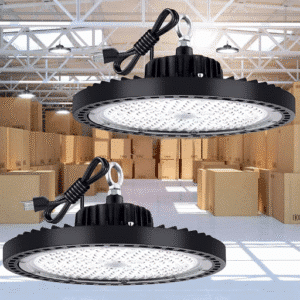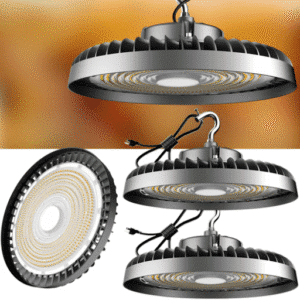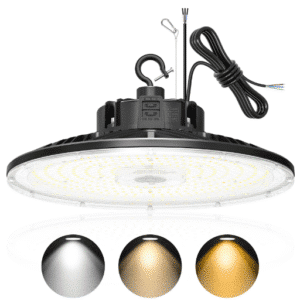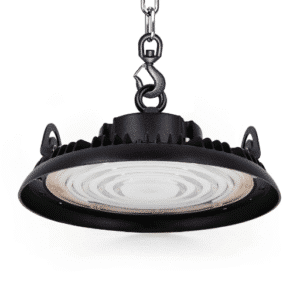

Energy efficiency is now an important aspect that cannot be opposed by industries especially when it comes to high bay lights. When it comes to that, they can be heavily dependent on builders in order to keep up with the ever increasing demand for high bay LED lights. Yet the future of lighting means low cost yet largely high initial costs of installation. Hence it can be said that High Bay Light cannot be replaced with Low-Carbon lighting. And that is where those rebates and grants for high bay lighting can be utilized.
This guide on rebates and incentives for high bay light 2025 is aimed at providing hands-on information how more erstwhile investments such as lighting a particular lit room could result in more energy savings and consequently financial savings. Whether you are looking to benefit from updated tax incentive programs or you want to find out about more hidden even further financial rewards, we supply you with information which helps participants to choose the right strategies for their lighting projects. Whether you are a proprietor or a manager of a business premises, or maybe you are advocating for clean energy in a social institution, this booklet discusses how to get the best out of the low energy consumptive high bay lights come 2025.
Understanding High Bay Lighting Rebates

What are High Bay Lighting Rebates?
Incentives to support the improvement of high ceiling, up to the ceiling of high and medium lift lighting fixtures are given to the electricity organization and other designated bodies. Through such incentives, it would be convenient to avoid the expenses for purchasing new light installations in existing high bay and low bay designs.
For instance, the possible lighting fixture changes include the change of the traditional high bay lighting types to energy saving LED highbay lamps which consume energy at very different levels. For example, these programs enable reduction in energy consumption and carbon emissions as well as increase in the use of green energy by business entities.
💡 Key Benefit
Rebate programs provide financial breaks or reimbursements for systems that demonstrate improved energy efficiency, helping businesses offset initial investment costs while promoting sustainable practices.
Types of Rebate Programs
Prescriptive Rebates
When given a task that specifies a prescriptive measure, a list of the Priority measures choices displayed for that task shall help the user to identify which choices meet the requirements for that task and which do not. These cases are usually, but not always, specified by the request from the customer, which means the following measures would correspond to the identified request. An incentive given to a specific customer to carry out a measure is a customer specific measures in which measures are associated only with that particular customer. It is just normal to find in the literature written by other authors that the number of prescriptive rebates is more defined when compared to prescriptive measures hyperbole.
Performance-Based Rebates
Rebates for commercial and industrial customers are distributed only according to the generated energy savings. For instance, groups like power utilities will have the capacity to provide discount to the companies for the energy which was saved during the first year after lighting improvement. This enables energy savings project via performance contracting as well as the achievement of measureable results of this kind further promotes the practice of energy saving efforts.
Midstream Incentives
Focusing on resellers and implementing partners, midstream programs are formulated as market incentives for these intermediaries to promote and install energy-efficient goods that qualify for those incentives. In this way, the approach makes it easier to reduce energy costs and install new lighting technology among the target end users in a shorter time frame by forming a natural connection between the producer and final setup locations.
Eligibility Criteria for Rebates
There are many factors that dictate qualification for rebates and these include the form of modifications, the ability to save energy, and adherence to energy preservation criteria. It is essential that there are accurate energy-saving technologies available and relevant documentation completed to enable successful rebate applications.
✓ Eligibility Checklist
There are some particular technology requirements that must be fulfilled. Installation of LED bulbs, advanced HVAC system, and ENERGY STAR certified equipment can be prudent examples of that.
Recording of the prior purchases (receipts), the works performed (installation records), and the copy of the approval letter (compliance certificates) must be properly documented and submitted to the program delivery team.
The nature of the deed; residential, commercial or industrial, should also fall within the program expectations.
Lastly the applicant should ensure the equipment complies with the current efficiency requirements which continue to change with innovations and policies.
Once again the last step involves submission within stipulated time frames and following the prescribed procedure for the particular application.
Specific application conditions often exist for given administrative entities. Some schemes target only business schemes or smokestack changes, others are reserved for housing changes. Whether some technologies should meet certain efficiency rates associated with the specific pieces of equipment has stopped such machines from being operational over the years.
📋 Pro Tip
Consult with utility providers or use online energy calculators to verify eligibility requirements. Following all instructions regarding timelines and submission procedures is crucial for application approval.
Incentives for LED High Bay Fixtures

Benefits of LED High Bay Lighting
LED high bay lighting has emerged as the preferred option for most industrial and commercial applications due to its numerous advantages:
| Benefit | Description |
|---|---|
| Energy Efficiency | Significantly lower energy consumption compared to traditional fittings, resulting in reduced power costs |
| Extended Lifespan | Remarkably long useful life demanding less maintenance, minimal labor costs, and fewer replacements |
| Light Quality | More uniform light distribution and better color rendering, improving vision and safety in large areas |
| Smart Integration | Compatibility with smart control systems offering advanced lighting control and automation capabilities |
LED Light Fixture Instant Rebates
Energy companies provide financial incentives for optimizing energy use, which includes LED lighting installations, in households, restaurants, factories, among other places. When the in-store rebate quotes, the LED high bay light fixtures can become cheaper or free for certain use cases.
This goes to prove those discounts and the qualification procedure varies according to different fixture modifications, energy efficiency grades, and advices from the competent authorities. The use of technology for LED lighting ensures that the energy costs as well as the costs of maintenance over the life span of a product shall reduce drastically due to the energy efficient technologies involved.
⚡ Important Note
For current and specific details regarding instant rebates, consult your utility company or authorized dealer to understand available programs and qualification requirements.
The Role of Participating Distributors
Resellers provide great aid when it comes to assistance to backlog, high income oriented measures of energy conservation efforts in lighting fixtures. They work as effective links between suppliers and end customers making sure that the following is achieved:
Available products are also on the shelf as they meet the standards of the Program
Consumer gets help in filling the program applications
Everything met the technical requirements and control
Recommendations are made on application of LED technology based on standards in force
Operational implementation of the energy-saving measures will be in place almost immediately and efficient energy saving programs will be realized within the set budget.
Navigating the Rebate Programs

How to Apply for Rebates
Step-by-Step Application Process
- Confirm if you are indeed eligible for cash backs as per your scheme of choice and ascertain that your organization’s structure conforms to the guidelines.
- Take things further to: Collect verifying evidence – as receipts, product descriptions, compliance documents.
- Come to filling in of the Forms: Duly fill and follow up the organization forms.
- Supplementary Aspects of the Procedure: Forward your request in the due manner (portals, through post or in person).
- Relatives of the Subject, if any: Together with each submission keep copies of one’s own documents
- Unwrap the Party: Check how your application is coming along and if asked to do so, provide the requested information within a definite period of time.
🎯 Expert Advice
Seek assistance from distributors or program representatives who can provide valuable insights and guidance throughout the process. Their expertise can help you avoid common pitfalls and maximize your rebate potential.
Understanding Prescriptive and Custom Rebates
| Rebate Type | Characteristics | Best For |
|---|---|---|
| Prescriptive Rebates | Fixed guidelines and predetermined rebate amounts; simplified claiming process | Standard lighting or HVAC upgrades; projects requiring quick implementation within limited budgets |
| Custom Rebates | Flexible incentive levels tailored to specific installations; based on measured energy savings | Complex projects with unique requirements; large-scale installations with significant energy-saving potential |
. So, a variety of programs and approaches arcs, thereby, developed by such companies as DCSEU to increase distribution, utilization, and energy efficiency revenues of renewable energy resources and materials. These programs are meant to be general and ordinary, providing methods to obtain incentives through rebates. For example, the constituents of this D. C. are entitled to certain programs that cement the efforts of particular advocates of energy efficiency within a given state, say.
High Bay Lighting Certification and DLC Standards

Importance of DLC Certification
Certifying a product according to the standards of DesignLights Consortium (DLC) is essential for high bay illumination fixtures, as it will ensure their efficiency in energy-saving endeavors- in the wake of meeting and even exceeding customer’s performance expectations and meeting set quality metrics. Some of the advantages of DLC certification include:
Performance guarantee: Whether the equipment fully complies with all rigorous performance criteria applicable to the project.
Hypoallergenic products: are less likely to break often or require frequent maintenance.
These three factors as conditions provided by:
Rebate eligibility: Often DLC labels are eligible for consumers to avail programs
Compliance: Information which assist consumers with what they need to do to be in accordance with the energy regulations.
How Certifications Affect Rebates
So, businesses regularly require certification in their processes when they have to perform at predefined levels of quality. Thus, the degree of documentation needed by a firm will be identified by the market strategy being pursued and the specifications of customers the company is targeting. Even though Certification may be a good thing, it is not very easy to get by especially through such formal procedures.
🏆 Certification Benefits
These certifications enhance sustainable mechanisms in energy conservation while reducing energy liability for consumers. They encourage energy savings, prevent carbon emissions, and help offset rising energy costs, making renewable energy technologies more accessible.
Choosing Certified Bay Fixtures
When selecting certified bay lighting solutions, consider several critical factors:
Key Considerations
Energy Efficiency: Efficient electrical bulbs that provide great lighting with minimal power.
Performance Standards: Adherence to all regulations and the company’s ways of doing things.
Cost-Effectiveness: The entirety of the earnings generated by a business, venturing to make revenues, over the entire life of the venture will be lower even though it may require costly efforts to begin the venture.
Environmental Impact: Improved environmental health through clean and proper lighting in the workspace.
Rebate Opportunities: The presence of programs that can help repay the one-off charges via incentives.
Quality Assurance: Safety and assurance credibility element indicating the specified level of product quality suitable for specified fields e.g. heat tracing systems in industrial and commercial sectors and meeting customer requirements.
Optimizing Light Levels and Energy Savings

Light Levels in Warehouse Environments
Proper illumination in warehouse settings is essential for operational efficiency and worker safety. Appropriate lighting directly impacts daily task performance and overall productivity.
| Area Type | Recommended Light Level | Application |
|---|---|---|
| General Storage | 10-20 foot-candles | Basic inventory storage and retrieval |
| Active Work Areas | 20-30 foot-candles | Regular operations and movement |
| Detailed Tasks | 30+ foot-candles | Packaging, quality control, precision work |
The key is balancing efficiency with functionality, considering parameters such as ceiling height, luminaire positioning, and light uniformity. LED installations with adjustable intensity controls enable businesses to provide optimal lighting across different zones while minimizing electricity consumption.
Smart Lighting Controls and Sensors
The integration of sensors in smart lighting systems represents a significant advancement, eliminating the need for manual adjustments based on actual conditions. These technologies deliver substantial energy savings:
Sensor Technologies
Occupancy sensors: automatic turn lights on when movement is detected and off when the spaces are not in use.
Daylight harvesting: the subject of this method is the control of artificial lights dependent on the natural light present.
Dimming controls: For rigid walls and spaces that have barriers, a modern structure will only focus on the building’s interiors to build at a low intensification.
Scheduling systems: this part of the control system is fully dedicated to the interior lighting of the building and is powerful enough to control it.
Such technologies may lead to appreciable energy savings in the relief zones that are predominantly low-loaded. Lowering of lighting and working hours translates into reduced power consumption, reduced electricity bills and offers other advantages. Evolution and utilization of compatible technology, smart sensors, serves to reduce the carbon footprint in the buildings and energize them towards green operation.
Long-term Savings from High Bay Retrofits
Retrofitting high bay fixtures enables companies to achieve substantial long-term savings through reduced energy consumption and lower maintenance expenses.
Retrofit Benefits Summary
- Energy Reduction: Up to 75% decrease in lighting energy usage when replacing outdated fittings with LED systems
- Extended Lifespan: LED lights last significantly longer than traditional types, reducing replacement frequency
- Maintenance Savings: Less money and time wasted on regular bulb changes and installations
- Financial Incentives: Access to utility rebates and tax-operated financial incentives for energy conservation
- Strategic Investment: Improved operational efficiency with measurably lower total cost of ownership
Frequently Asked Questions (FAQ)
How do high bay rebates for commercial lighting work?
High bay rebates are typically granted when energy-efficient LED or linear luminaires replace conventional high bay fixtures such as metal halide, high-wattage compact fluorescent, or high-pressure sodium lights. The value of rebates varies based on location, specific incentive programs, and several key factors including the number of fixtures, light output per fitting, and efficiency ratings. A thorough record of wattage consumption and light intensity measurements before and after retrofitting is necessary for documentation. Buyers must typically prove to providers that lights were purchased from authorized distributors or contractors. Some programs offer products with instant discounts treated as point-of-sale rebates. Additional local government programs or bundled packages may provide further benefits, with some rewards tied to specific geographic areas.
Do automatic control devices help qualify for high bay rebates?
Implementing occupancy lighting controls can significantly enhance qualification chances for incentives, as many programs prioritize financing for electric savings and operational efficiency. Occupancy sensors reduce lights or turn them off in vacant spaces, decreasing power consumption and extending lamp life—both attractive features for energy-saving programs. With occupancy sensors, payback results and incentive levels are typically higher compared to lighting-only upgrades. However, check with fixture distributors or local rebate policy conditions to ensure certain criteria don’t require implementation by authorized personnel or that sensors are included in approved equipment lists.
What are the minimum brightness and lumen level requirements for rebates?
Most rebate scenarios establish minimum accepted luminous flux or efficiency levels for LED fixtures during upgrades. This ensures that energy-efficient LED lighting conserves energy while maintaining adequate light levels. For example, high bay replacements for inefficient metal halide or fluorescent systems may have maximum watts per unit restrictions to demonstrate energy savings. Maintain detailed records about lamps and luminaires, including luminous output and consumption values, along with manufacturer specification sheets to support your rebate submission. Energy reduction calculations at the project level can strengthen applications, showing that new lighting work increases system efficiency without weakening illumination quality.
Are instant discounts or incentives available for new construction projects?
New construction projects can receive commercial lighting rebates either as post-activity reimbursements or instant reductions, though requirements differ from retrofit situations and sometimes require additional steps like preapproval or design review. Many utility incentive programs offer custom or prescriptive lighting rebates if LED lighting and integrated controls are installed throughout the facility during the design phase. Point-of-sale incentives may be available, whereby lighting distributors pass through instant discounts to customers. Larger projects may have incentives based on expected energy use rather than actual savings, potentially requiring estimated energy consumption calculations rather than measured reductions.
How do I calculate savings and determine if I qualify for incentives?
Use cost-effectiveness analysis to estimate savings before and after improvements. Start by determining the total electrical consumption of existing metal halide or fluorescent lights, with wattage consumption over duration of use as an important indicator. Calculate energy consumed by LED lights and related control enhancements after retrofitting. Convert the difference into annual cost savings. Some programs award rebates based on kWh savings, while others provide per-lumen or per-fixture payments—review program rules as rebates may differ by location or ZIP code. Maintain conventional details about lamps and luminaries including lumen and wattage values. Working with utility representatives and energy auditors can help verify whether projects meet requirements. Some programs involve redemption vouchers while others require advance applications, so understanding requirements helps avoid disqualification.